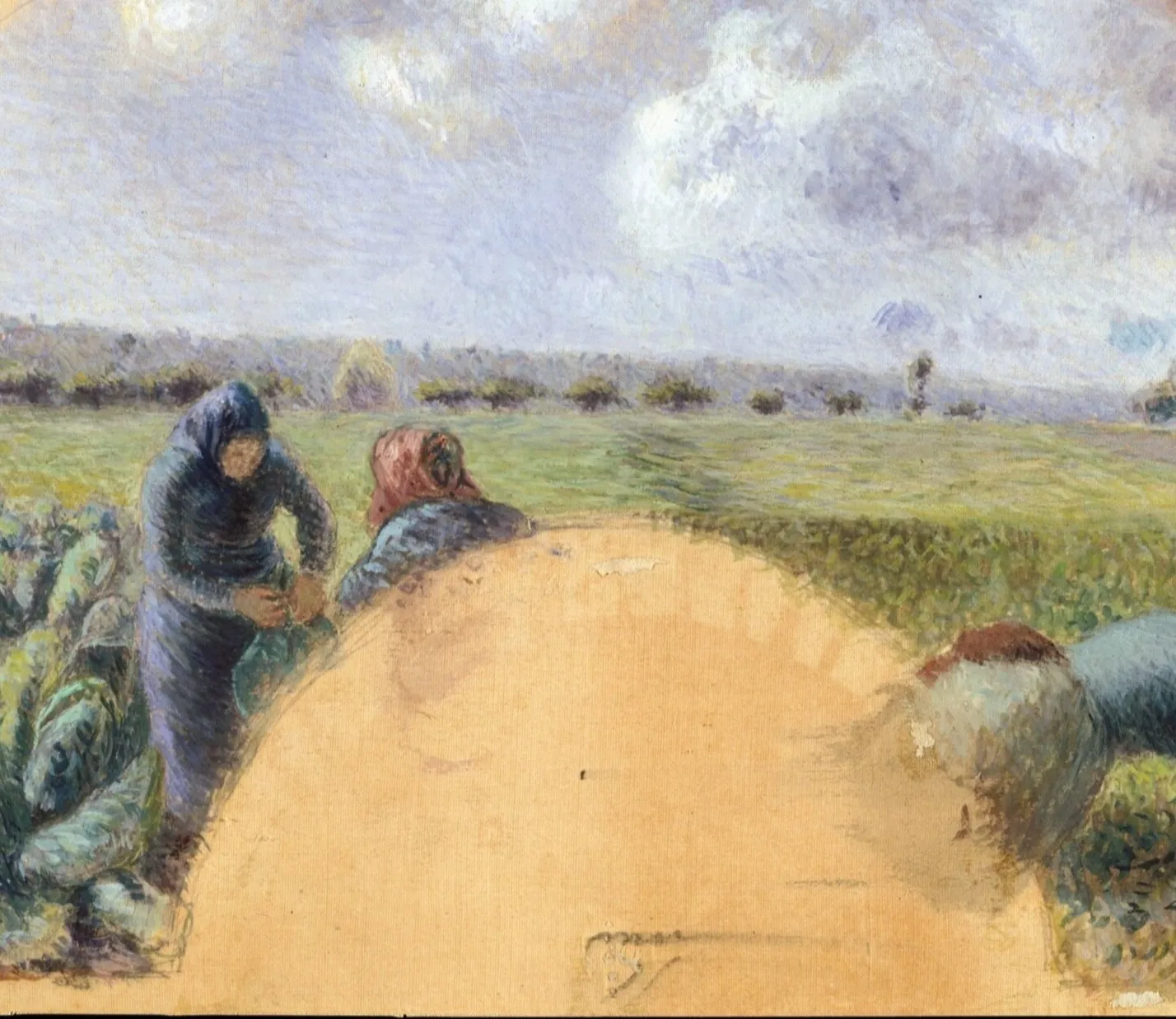
The Cabbage Gatherers (ca. 1878–79)
Camille Pissarro (French, 1830–1903)
The hero image for the homepage, meant to honour the dignity of manual labourers who truly are the backbone of society.
Learn moreAll other graphics have been created by a human on a computer, and pre-made icons or graphical elements have been licensed, paid for, or are free to use. Want to learn more about each piece? Keep scrolling.
Camille Pissarro (French, 1830–1903)
The hero image for the homepage, meant to honour the dignity of manual labourers who truly are the backbone of society.
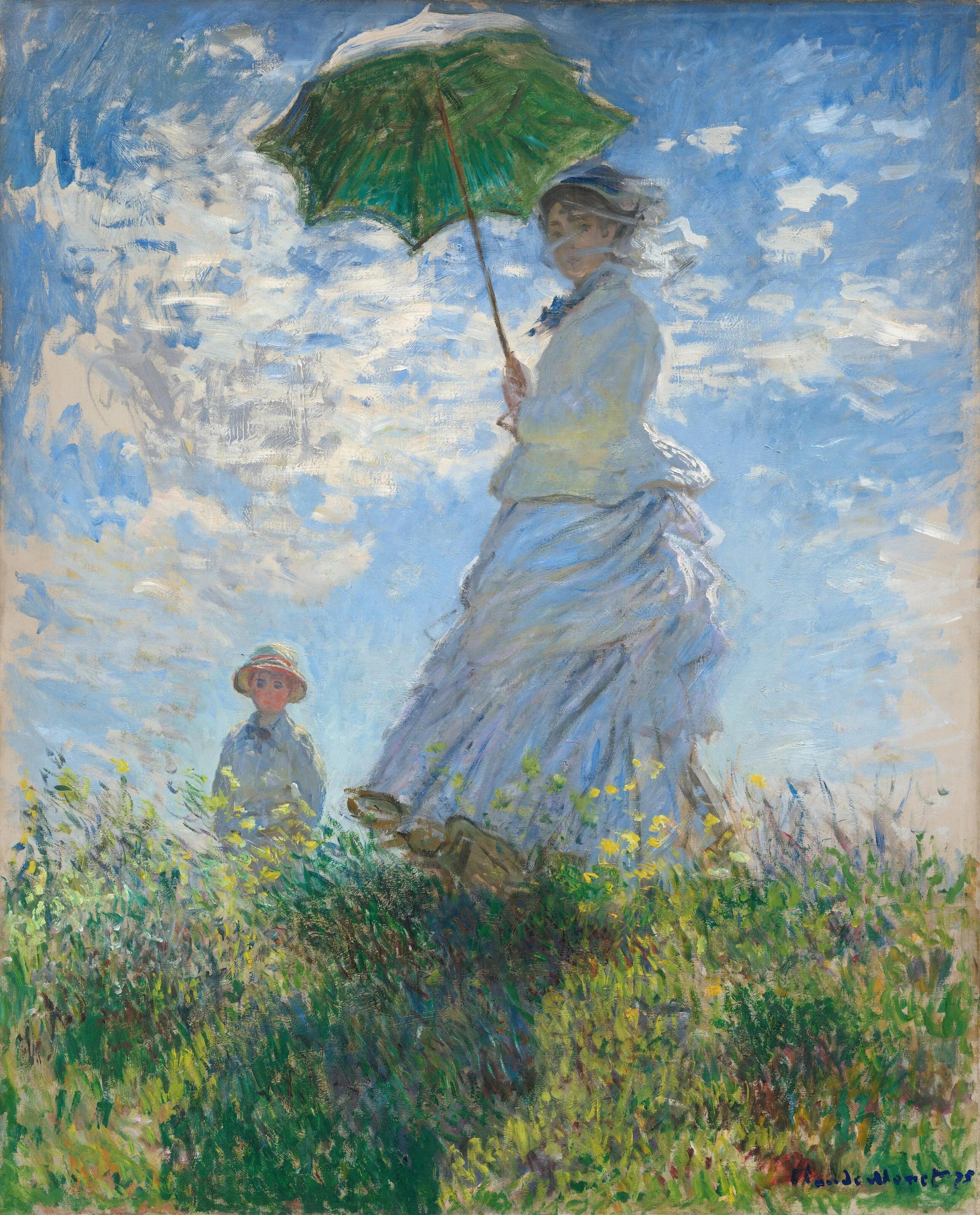
Learn moreClaude Monet (French, 1840–1926)
Humans are at the core of this project, and there is nothing more human than the relationship between a mother and child.
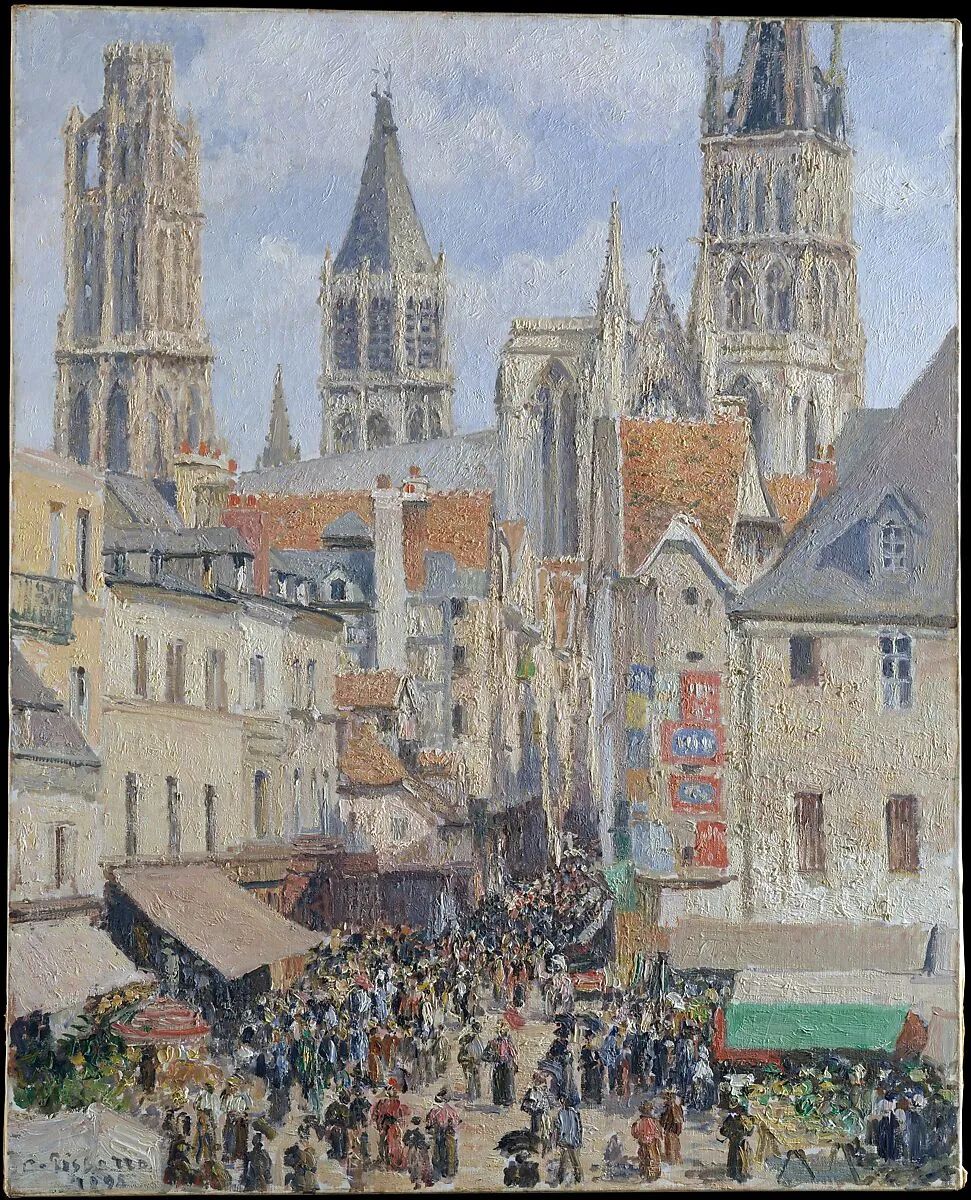
Learn moreCamille Pissarro (French, 1830–1903)
Businesses have evolved but some things will always stay the same — open air markets as a place to come together and enjoy a beautiful day.
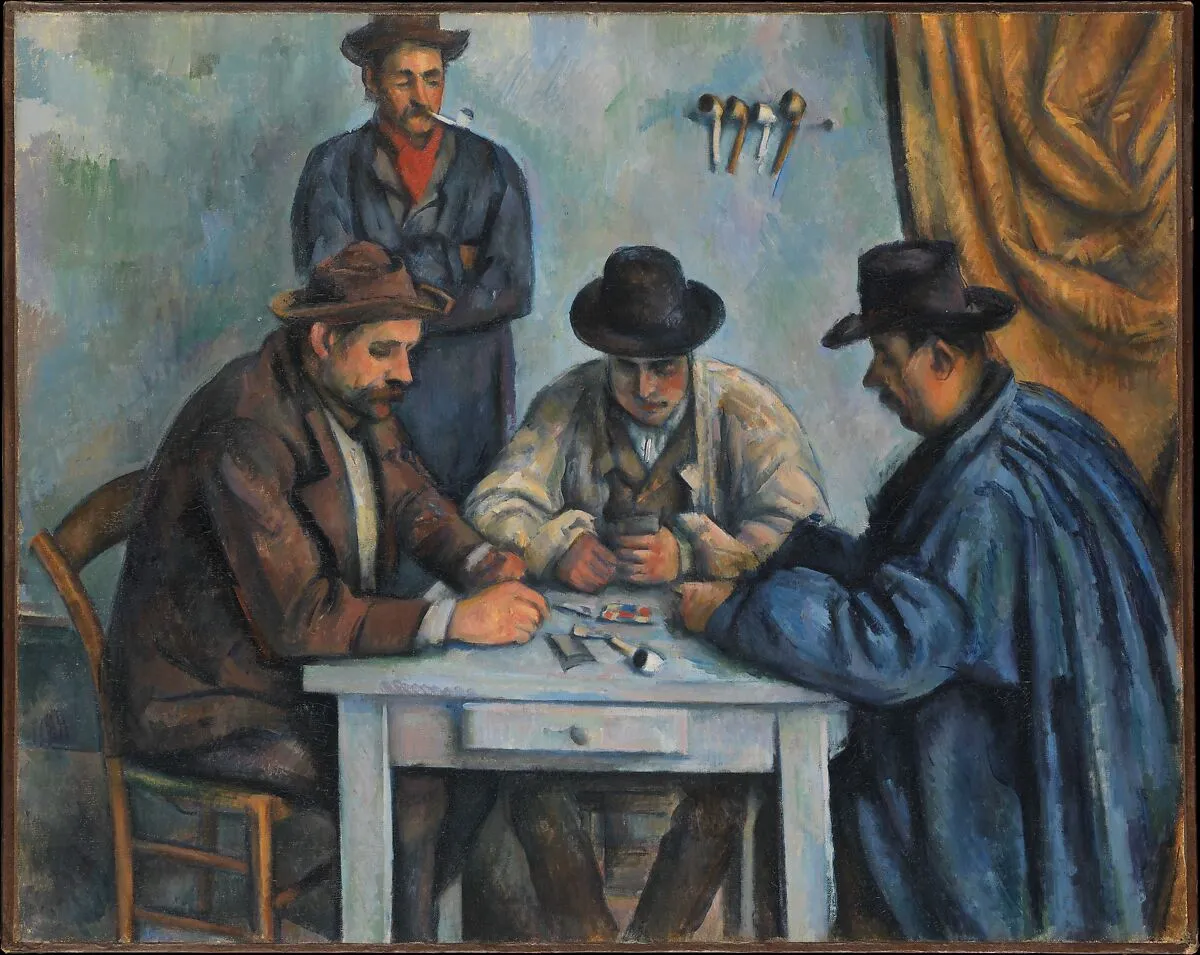
Learn morePaul Cézanne (French, 1839–1906)
There is so much joy in the simple pleasure of free time with friends. Let's make more time for playing cards.
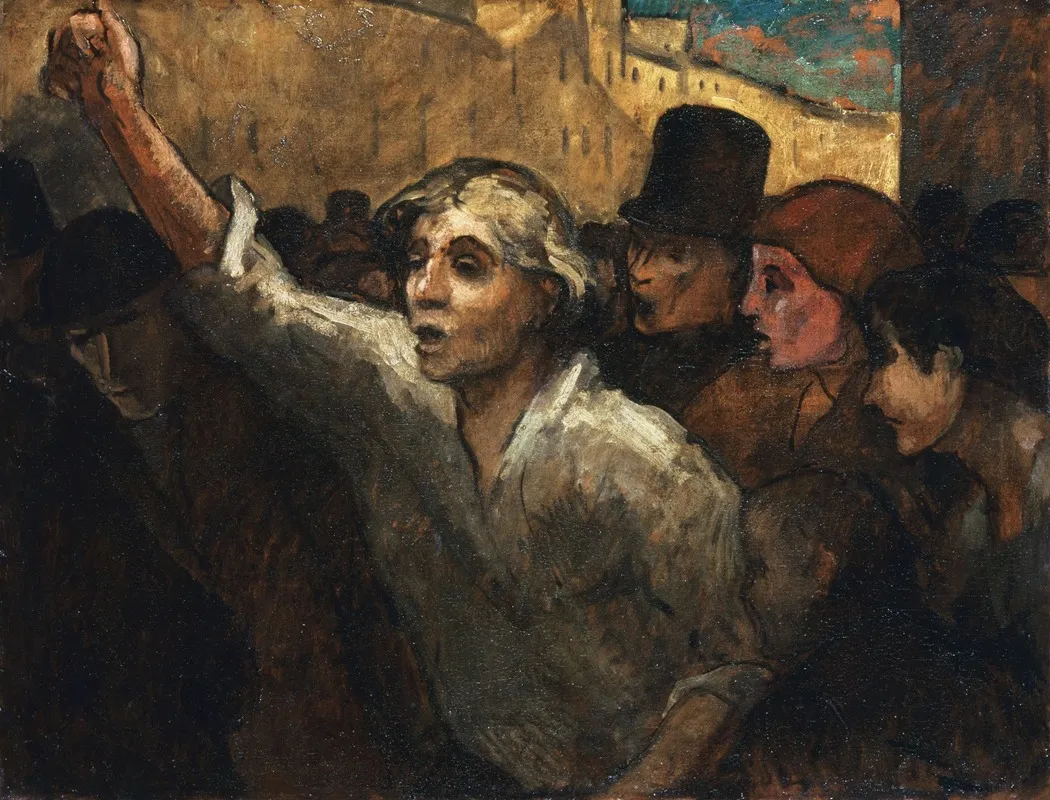
Learn moreHonoré Daumier (French, 1808–1879)
Ordinary people surging forward for change — collective action at its most human. A fitting image for the organisations that stand between the vulnerable and the powerful.
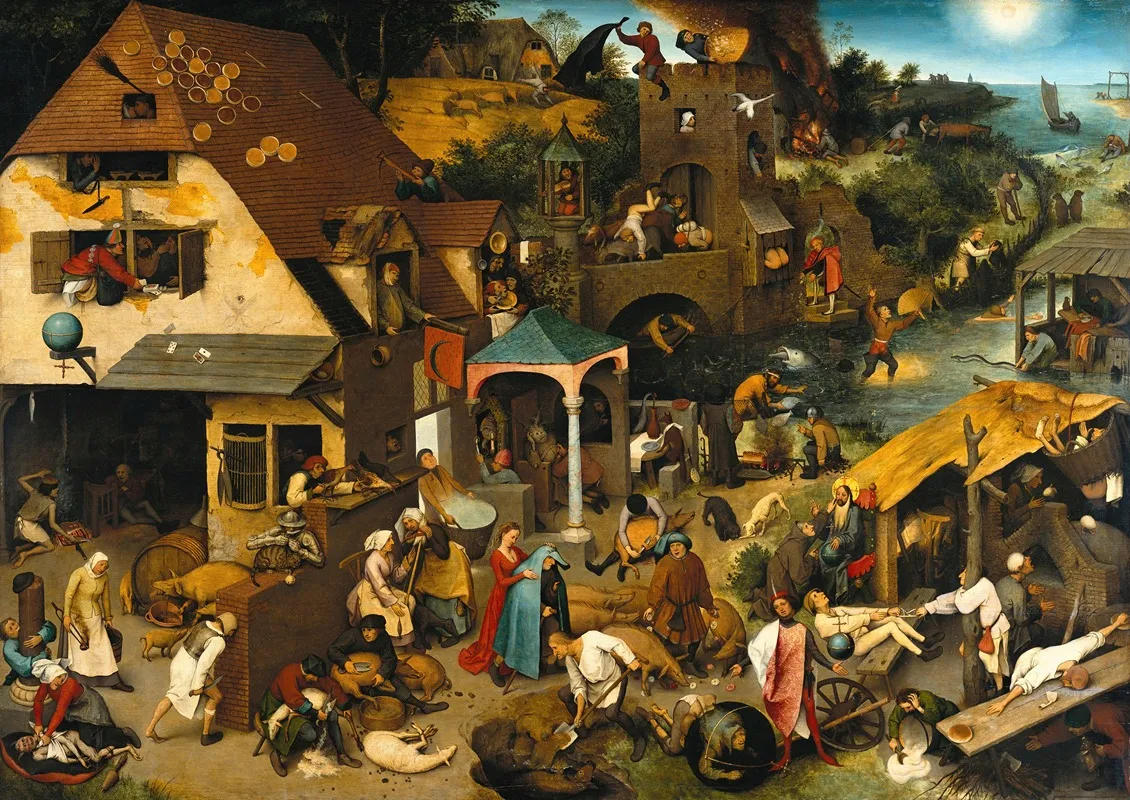
Learn morePieter Bruegel the Elder (Netherlandish, c. 1525–1569)
A village alive with activity — dozens of people working, trading, and solving problems, each with a role to play. Exactly how a small business operates at its best.
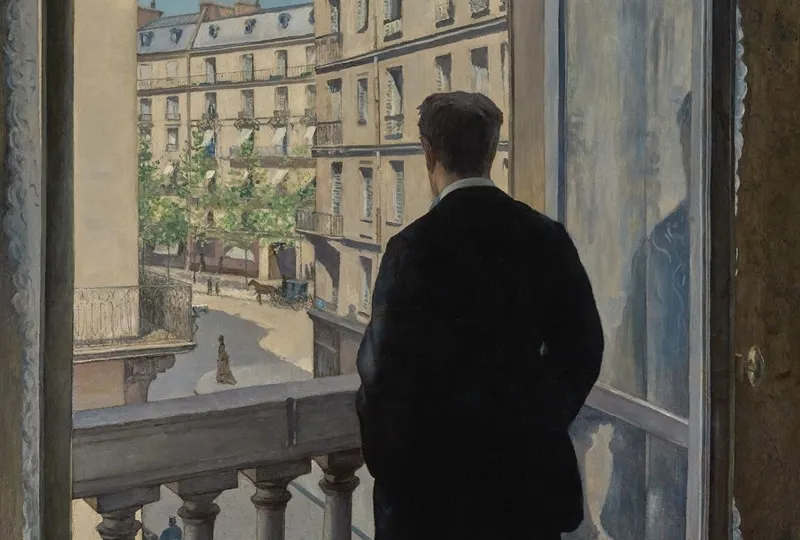
Learn moreGustave Caillebotte (French, 1848–1894)
One person, surveying the world from their own vantage point. Independence, quiet confidence, and a city full of possibility laid out below.
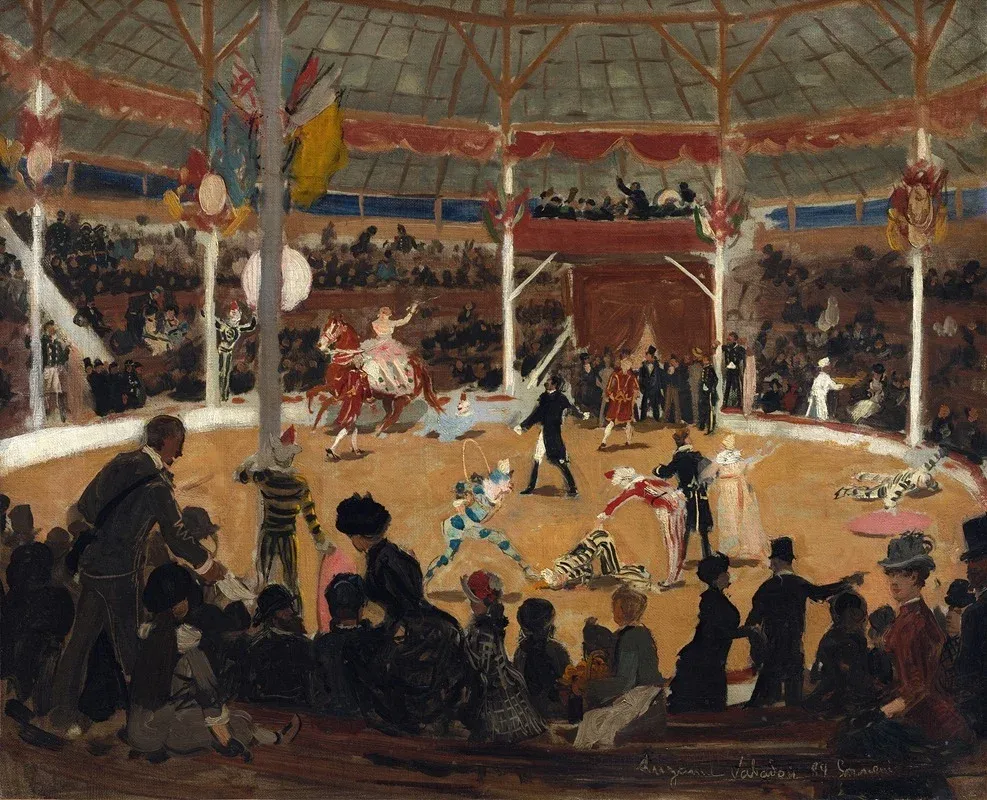
Learn moreSuzanne Valadon (French, 1865–1938)
Not only do circuses require a great deal of talent from multiple contributors, but the ringleader needs to be able to understand each player's role well enough to bring them together for a cohesive show. A bit like running a business, no?
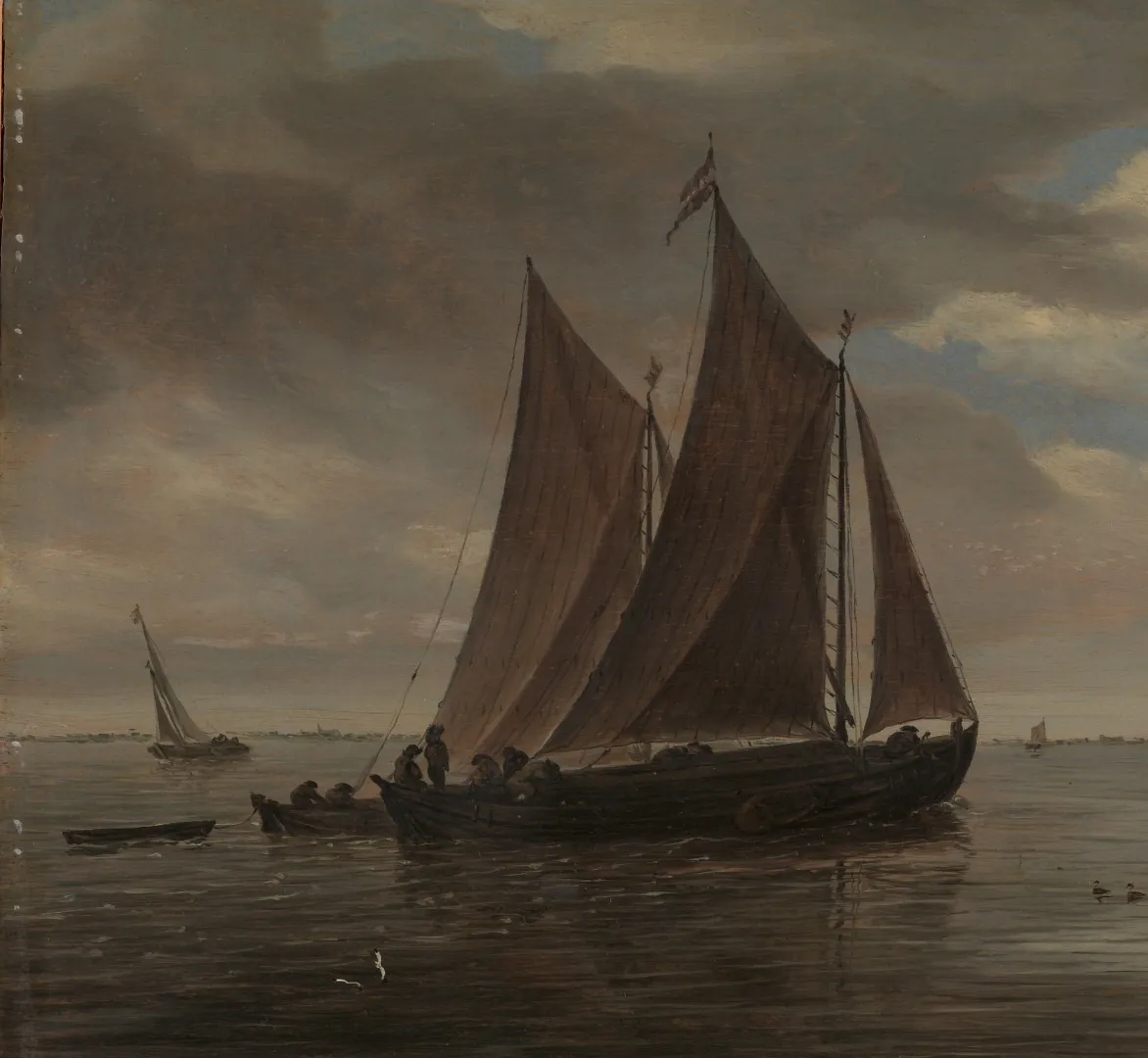
Learn moreSalomon van Ruysdael (Dutch, 1602–1670)
Maintaining a boat on a smooth course requires a great deal of precision and attention to detail.
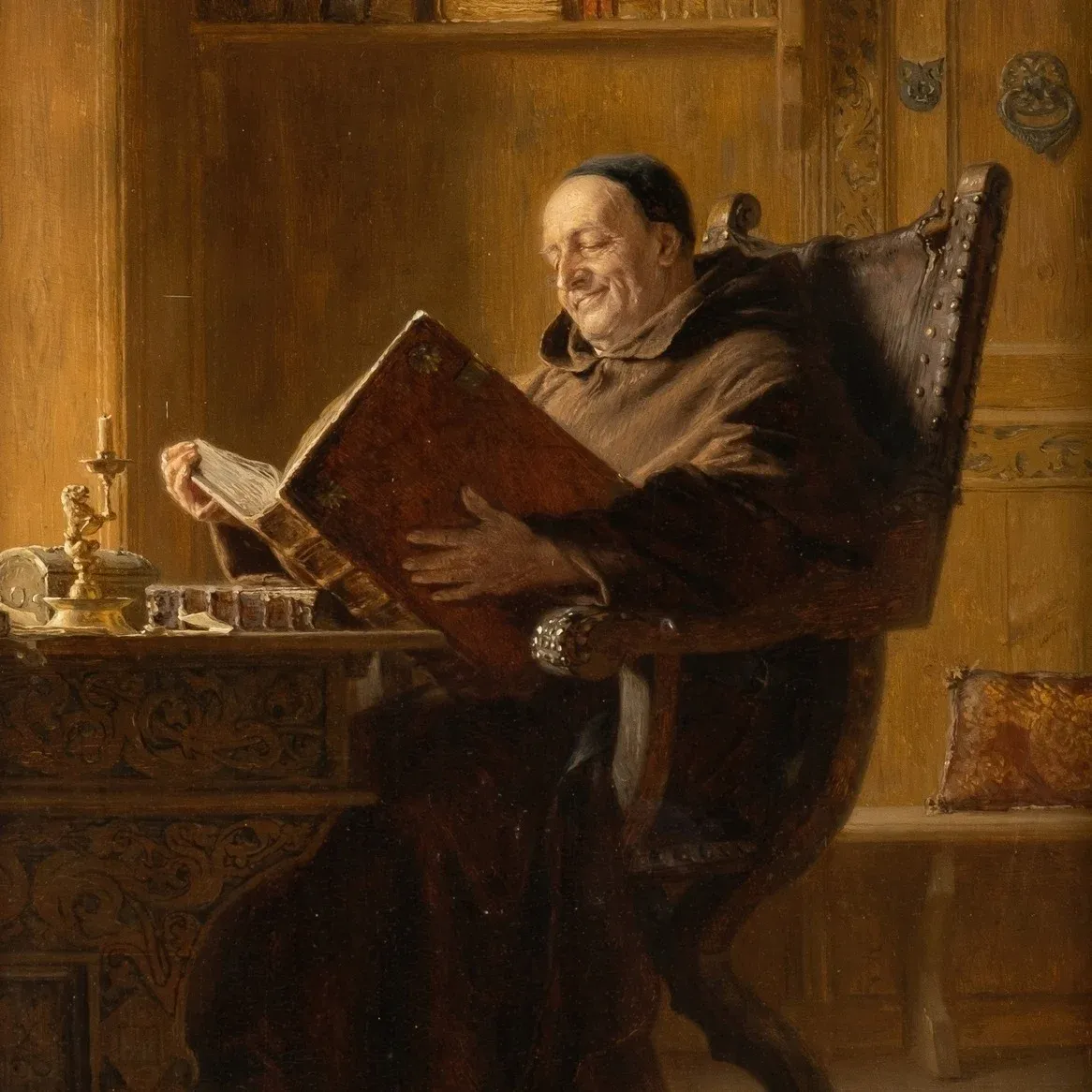
Learn moreEduard von Grützner (German, 1848–1925)
One of the greatest pleasures in life is honing your craft and learning how to do it better.
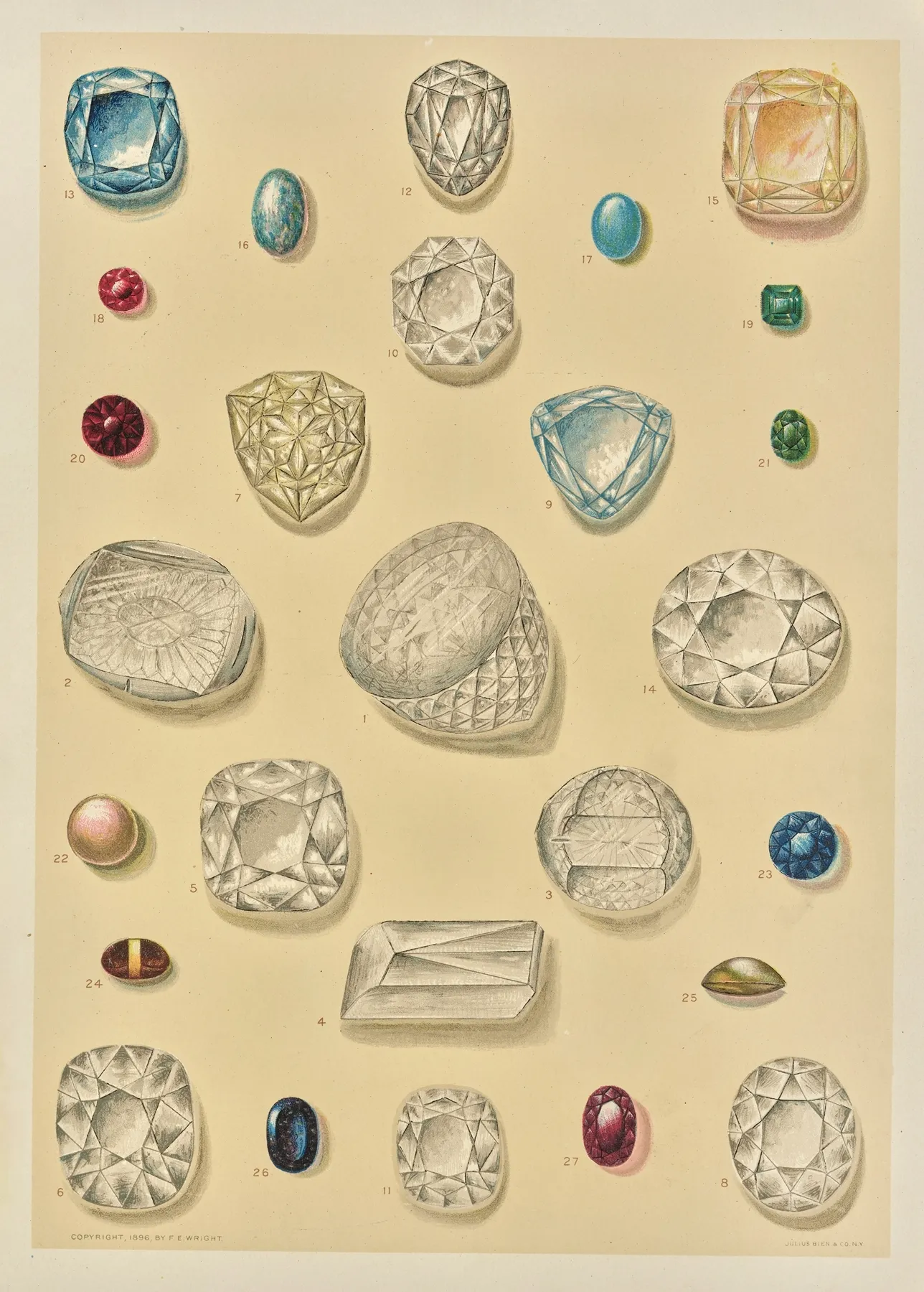
Learn moreF. E. Wright (American, 19th/20th century)
Gems and precious stones are an excellent example of the human ability to take raw materials and turn them into something truly wonderful.
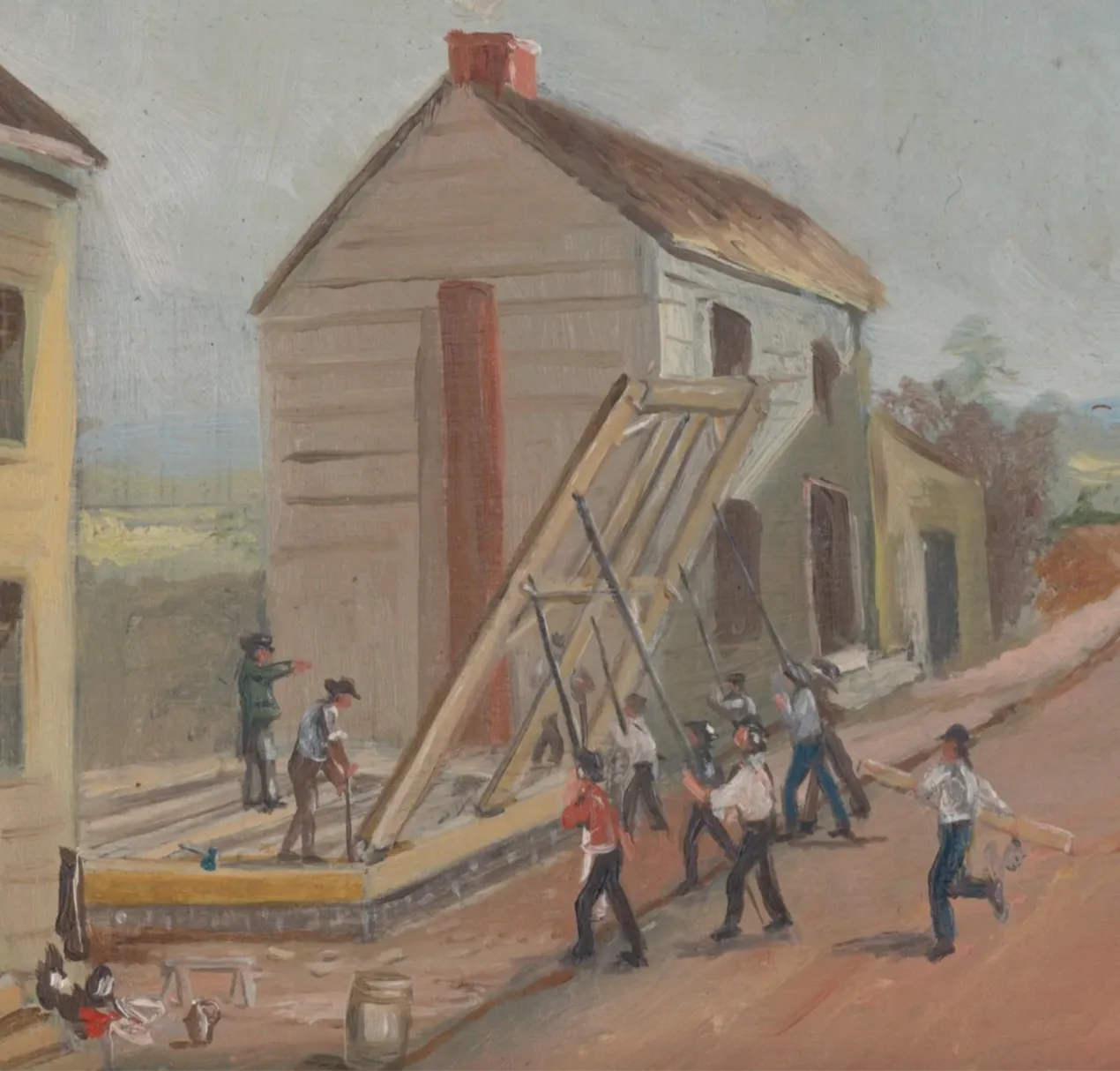
Learn moreWilliam P. Chappel (American, 1801–1878)
Modern house building techniques and worker knowledge allowed industrial workers to stand up dwellings in much less time than previously possible.
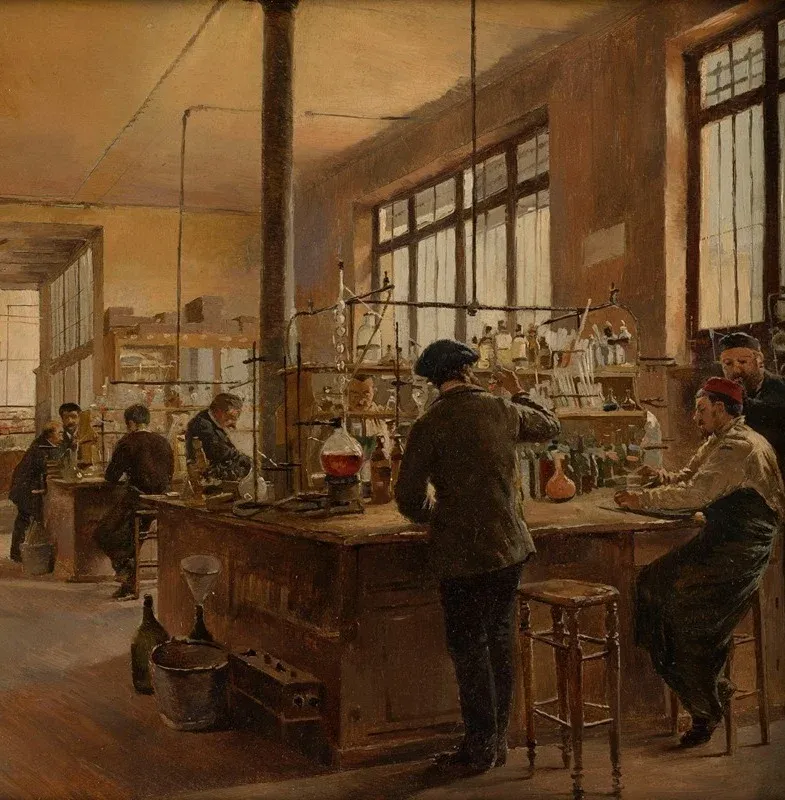
Learn moreFerdinand Gueldry (French, 1858–1945)
Making new discoveries is down to process improvement, human ingenuity, and using new tools and techniques when they're available.
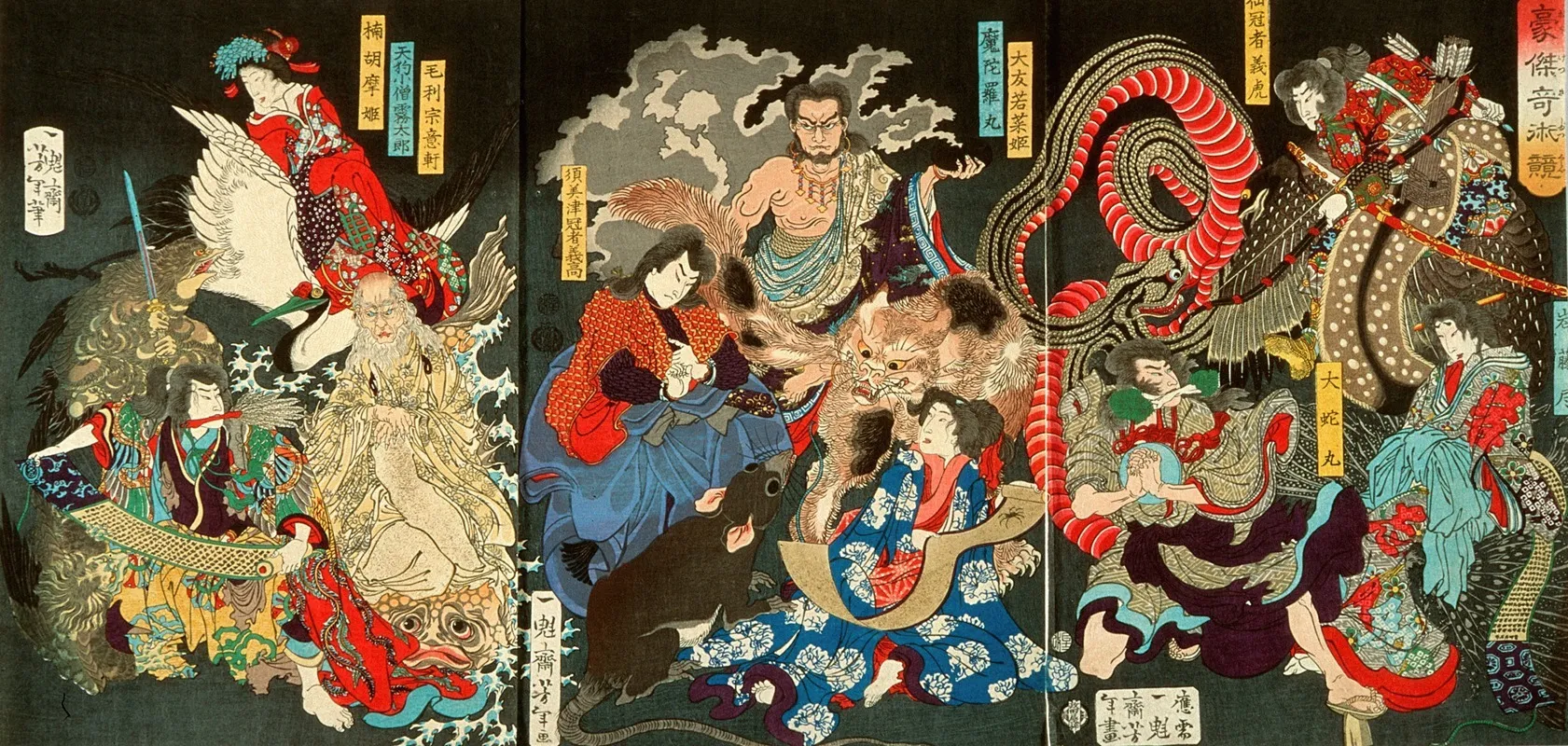
Learn moreTsukioka Yoshitoshi (Japanese, 1839–1892)
Competition can be fierce. This artist was competing against modernity, and won. He is still celebrated to this day for his talents, and his refusal to leave traditional art methods behind him.
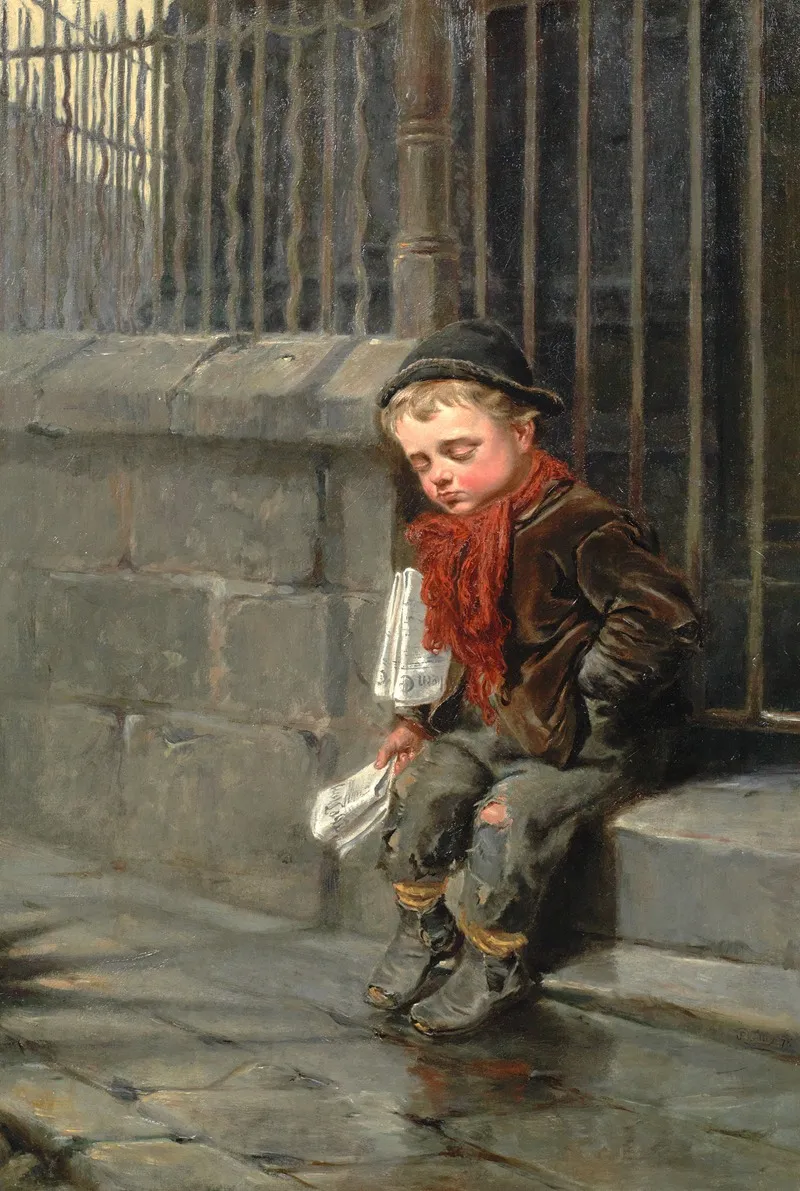
Learn moreEdward Mitchell Bannister (Canadian-American, 1828–1901)
A reminder that the spread of information has always been a human endeavour — from the street corner to the algorithm.
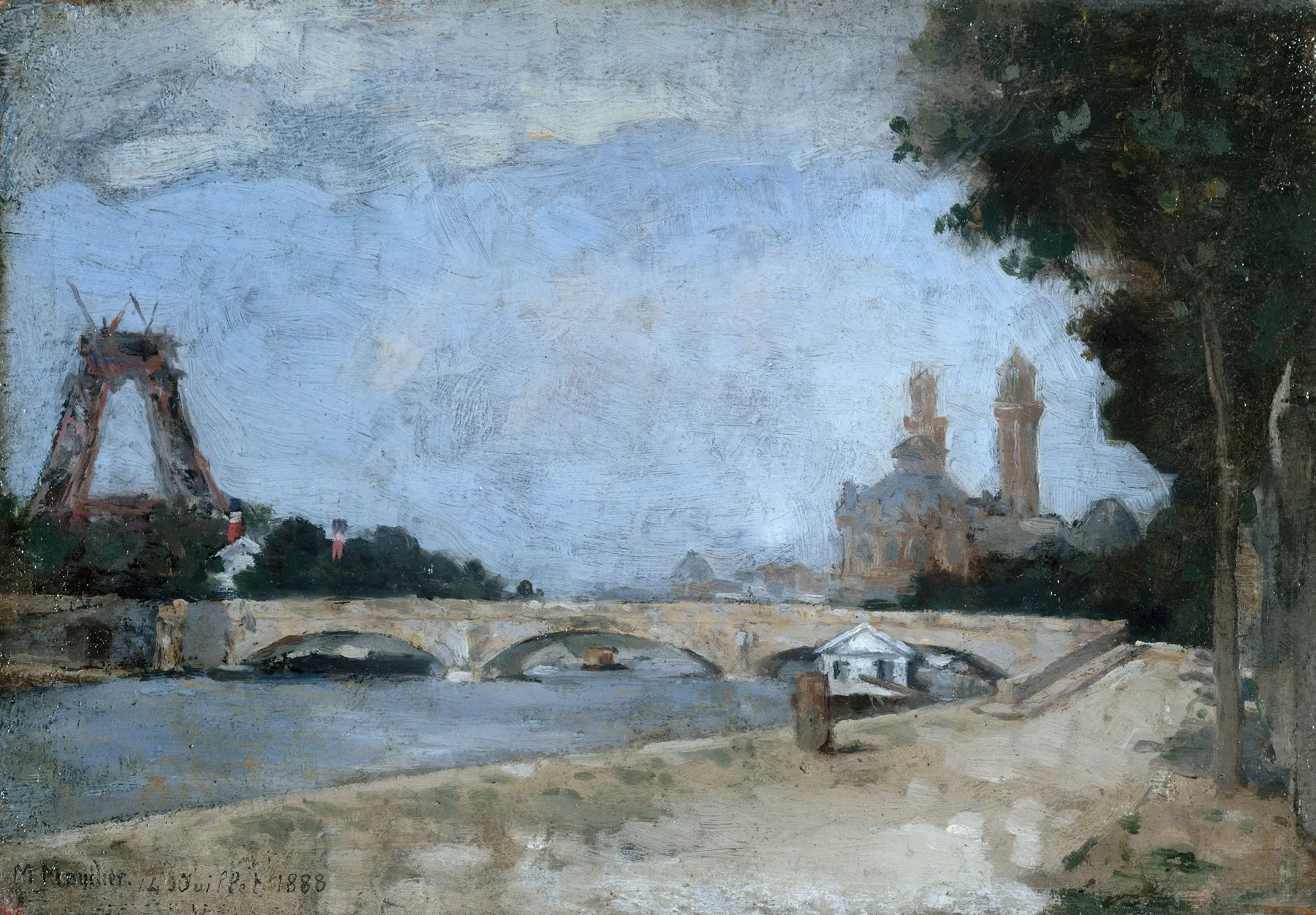
Learn moreUnknown photographer (French, 19th century)
Even the most iconic structures start as ambitious frameworks. Building something great takes time, iteration, and a willingness to let the world watch your progress.
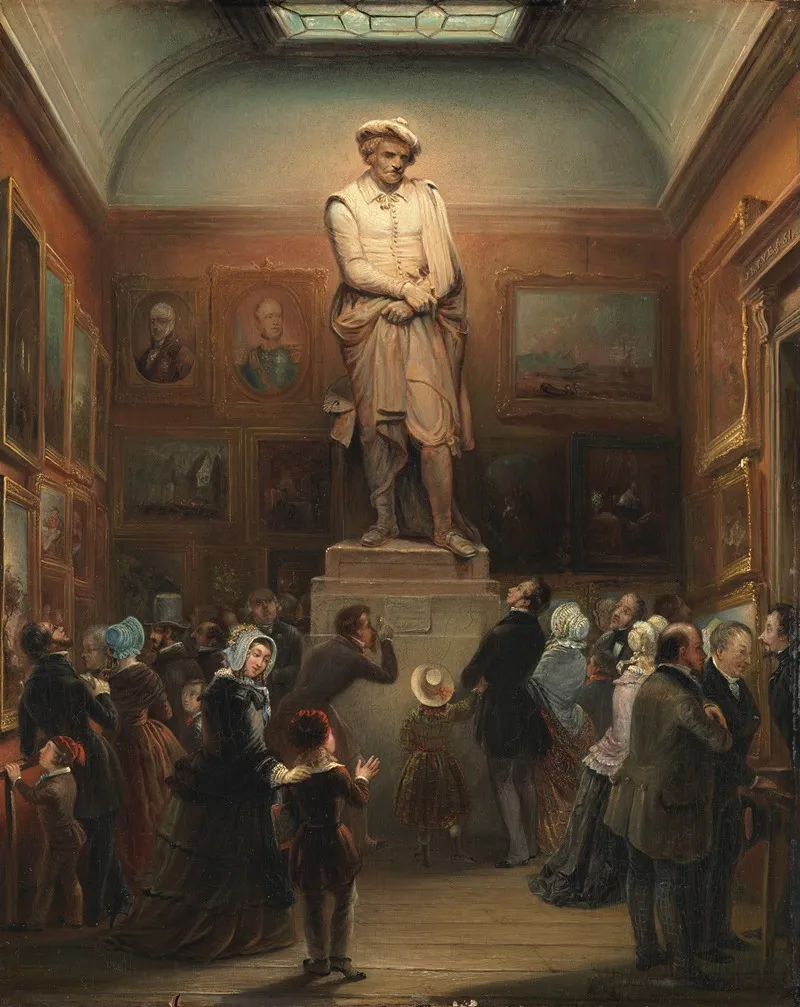
Learn moreJan Baptist Tetar van Elven (Dutch, 1805–1889)
Viewing great art is one of the best life experiences for people of any age and background.
Learn moreAll artwork sourced from Artvee — public domain classical art, free to use.