This month, the French government made huge strides in tech sovereignty. With “La direction interministérielle du numérique” (DINUM), France intends to move itself entirely away from foreign (mostly American) tech stack choices like Microsoft, Zoom, Google, and even Cisco.
As a huge undertaking, it has made waves in the technology and geopolitical news world because it sends a strong signal: the risk of American-made infrastructure is no longer less than its benefits. In a country with nearly 6 million civil servants, it is one of the major priorities of this current government to rip the bandaid off and finally ensure that French data is safeguarded.
If the French government, famous for political infighting, can make this decision, I think small teams looking at AI in Luxembourg can do the same. It will cost a lot less, and be done a lot faster — not to mention how we may also benefit from France’s work on this mission.
But why would a small team want to become sovereign?
SMEs, solopreneurs, and NGOs have many shared benefits in becoming tech-sovereign, whether that’s partially migrating themselves to existing European tools, or going full open-source and self-hosted.
Independence from SaaS and its price fluctuations#
Sovereignty is achieved not through buying it, but by building it (so said Djamila Aouada at SCynergy 2026 this year).
You can take free tools, like open source software, and your own infrastructure, like your current computers, and use them to build sovereign solutions for your team. With a little up-front investment of time and effort, you can build exactly what you want, and it’s never been easier to do so. Coding with LLMs is getting better and better, and there are all sorts of guides and strategies to do it cheaply, without having to pay for a lot of credit (tokens) with companies like Anthropic (if you insist on the “best” coding LLM), Mistral (the best European alternative) or an open source option like DeepSeek V3 or QWEN.
Long term, getting yourself off SaaS solutions will save budget. But even in the short term, if you’re using a CMS like Wix or Squarespace to manage your website, for example, and if it’s not a complicated structure (it’s purely informational — not eCommerce, not an application), rebuilding your website in code and hosting it on a server like Scaleway’s in France can help improve your page speed, SEO, accessibility, and other scores that get your website ranking higher on Google, without a huge investment.
SaaS is also under a lot of pressure in the new age of AI to increase prices. In fact, there are playbooks out there teaching SaaS vendors how to increase prices. The type of infrastructure they manage is highly advanced, needs a lot of flexibility for increases in traffic, and its pricing builds this in by distributing the cost over all its customers — meaning if you’re not using the absolute limits of your SaaS, you’re paying for a larger company’s use of the platform.
Custom features for niche problems#
If you have a small customer base (and therefore not a lot of data), but you have niche problems you want to solve, a custom, sovereign solution might be your answer. As a bonus, they’ve never been more affordable to solve. A single technical person (could be me…) can create simple but effective (not to mention secure) tools for the price of their time and a coding agent. This is exactly what AI orchestration is about — coordinating agents, tools, and data sources into something that actually fits your workflow.
The more features, the more a SaaS typically costs. But sometimes, you just want 1 of the features of the highest tier of an offering, like a Hubspot CRM for example, and that can cost thousands of euros per month. So, why not build the feature yourself? Why not make that feature a perfect fit for your use case? Why not iterate and improve it based on how your colleagues like to work (like being able to input voice commands, upload screenshots of conversations, or other AI-assisted tasks).
You are no longer limited to what the SaaS vendors want to build for the entire market — features that are “good enough” for a client base of thousands or even millions. You can solve your own problems your way.
Data#
Your company and customer data should stay with you. When you let a third party SaaS handle your data orchestration, from form fills, to emails, to event registration, marketing, and more, you could be putting your customer base’s data in the hands of data brokers. Yes, even in Europe. When you use a third party SaaS for your analytics, your CRM, or your forms, you may be agreeing to terms that are reflected in your privacy policy and do in fact share customer data with third parties. Sometimes it is done deceptively, but it’s mostly out in the open — people either accept or don’t understand what they are agreeing to. But the safest bet is to have your own private storage, your own API connections, and your own overall infrastructure to properly shepherd your clients’ data. If you’re not sure where to start, that’s what knowledge and data systems work is for.
As for hosting, there are plenty of European cloud options like Scaleway (my preferred vendor), OVHCloud (trusted by Post for their Luxembourg sovereign cloud), Hetzner in Germany, or your own bare-metal in your own office (old school, but 100% your own). Some people are even turning old Mac Minis into servers these days. They’re even being used by some of the pros.
Vulnerability#
If you’re a small team working in a sensitive space, like human rights or social justice, your team and its work may be vulnerable to threats from foreign governments like in the USA.
There are a lot of issues in the world right now that are being targeted for being too “left”, “anti-capitalist”, or, as a word I used to love but now hate, “woke”.
For example, NGOs for Palestine, Anti-racism groups or Trans Rights groups, Women’s Rights, and even international human rights institutions like the International Court of Justice have been targeted and harmed.
If this trend becomes more extreme, your tech stack is at risk for surveillance at best, and freezing or deletion due to sanctions at worst. This puts the people you help, and the valuable work you do at risk.
It might not be possible to run an entirely open-source (and therefore un-freezable) tech stack, but the closer you can get to it, the better.
However, sovereignty comes with its own risks.
“Vibe Coding”, the hot new buzzword for primarily non-tech people starting to code without understanding what they’re doing (as if there haven’t been jokes about real developers doing the same thing with Stack Overflow code snippets for years).
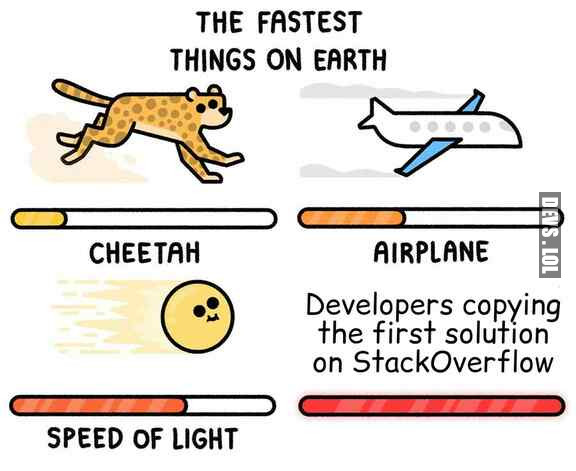
This is actually a problem. If you don’t know about security vulnerabilities, like how to securely store API keys or send encrypted password data over HTTPS, or have a basic idea of programming, it’s going to be difficult for you to immediately make a usable app. You may put your user data, and your own legal compliance at risk.
However, these things can be learned, and they are more accessible than ever with free coding courses online, opportunities to learn here in Luxembourg, or, you can hire someone like me to support your journey. I have a certification in full stack web development from Carleton University in Canada, and an Agentic AI and RAG certification from IBM. These took time and effort (especially the first one), but they were worth it to ensure I could do this work properly.
The trends are obvious
The world is moving more toward local/sovereign tooling anyway. I hate the expression “keep up or get left behind” because there are always going to be those who stay on the older “version” of anything, and do fine. There are companies in this country running ERPs from the 90’s. In a way I’m jealous, because they are already somewhat sovereign, being self-hosted of course.
But, if you want to save budget, increase your team’s reach, and decrease your vulnerability to geopolitical risk, sovereignty is the way to go for small teams. It sounds scary, but I promise it’s doable.
The most important part of your plan is to determine what success looks like, and make that your north star. You can achieve it. And if you want help figuring out where to start, let’s talk.